

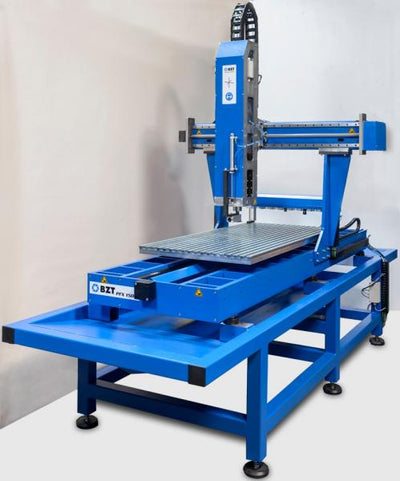
A CNC milling machine is a precision machine, and like any precision machine it needs regular care. With the right maintenance, you keep your machine in top condition for years and avoid costly repairs.
Why Maintenance Matters So Much
Maintaining Precision
Dirty or poorly lubricated guides lead to:
- Play in the axes
- Inaccurate machining results
- Surfaces with chatter marks
- Premature wear
Extending Machine Service Life
Regular maintenance can double or triple the service life of your machine. A well-maintained machine still works precisely after 10 years.
Avoiding Breakdowns
Most machine breakdowns are avoidable. Regular inspection detects problems before they lead to a breakdown.
Daily: Before and After Every Use
Before Starting
- Visual inspection: Chips on the machine? Everything clear?
- Tool: Cutter in good condition? Clamped correctly?
- Dust extraction: Connected and working?
- Lubrication points: Ball screws lightly oiled?
After Operation
- Remove chips: Especially from guides and spindles
- Cover the machine: Protect it against dust (optional)
- Check the coolant: For water-cooled spindles
Weekly: The Basic Cleaning
Cleaning the Guides
The linear guides are the heart of your precision:
- Remove chips and dust with a brush or compressed air
- Wipe the guide rails with a lint-free cloth
- Apply a light film of oil (way oil or sewing machine oil)
- Move the axes to distribute the oil
Lubricating the Ball Screws
The ball screws need regular lubrication:
- Drip light machine oil onto the screw
- Move the axis several times
- Wipe off excess oil
Not too much. Too much oil binds dust and turns into grinding paste.
Cleaning the Collet and Spindle Taper
- Remove the collet
- Wipe out the taper with a clean cloth
- Clean the collet (no oil)
- Check for damage
Monthly: The Thorough Inspection
Checking Play in the Axes
- Move the axis by hand (with the motors switched off)
- Watch for play; there should be none
- If there is play: check the adjustment or contact service
Checking Belt Tension (If Fitted)
- The belt should be taut but not overtightened
- Check for signs of wear (cracks, fraying)
- Retension or replace if necessary
Checking Electrical Connections
- Plugs secure?
- Cables undamaged?
- No loose connections?
Testing the Limit Switches
- Trigger all limit switches manually
- Does the controller react correctly?
- Test the emergency stop
Quarterly: The Major Maintenance
Complete Cleaning
- Remove all covers (where possible)
- Clean the interior thoroughly
- Blow out hard-to-reach areas with compressed air
- Check the electronics enclosure for dust
Renewing the Lubrication
- Renew old lubricant at the grease nipples
- Regrease bearing points (if provided)
- With central lubrication: check the fill level and top up
Checking the Geometry
- Check the squareness of the axes with a square
- Check the flatness of the table
- If there are deviations: document them and readjust if necessary
Annually: The Major Service
Professional Inspection
Once a year, we recommend a thorough inspection, either by yourself or by the manufacturer:
- Check all components for wear
- Test the guide carriages for play
- Check the ball screws for wear
- Inspect the spindle bearings (noise, temperature)
- Check the control electronics
Maintenance by BZT: For BZT machines, there is a maintenance contract with annual on-site maintenance, telephone support, or both as a combination package. You can find packages and prices by series on the Maintenance Contract page.
Replacing Wear Parts
Typical wear parts that should be replaced regularly:
- Dust brushes on the dust shoe
- Collets (when worn)
- Belts (when visibly worn)
- Filters (dust extraction, electronics enclosure)
The Maintenance Checklist
| Interval | Task | Duration |
|---|---|---|
| Daily | Remove chips, visual inspection | 5 min |
| Weekly | Clean and oil the guides, lubricate the screws | 15–30 min |
| Monthly | Check play, belts, test limit switches | 30 min |
| Quarterly | Major cleaning, renew lubrication, geometry | 1–2 hours |
| Annually | Complete service, wear parts | Half a day |
Typical Problems and Causes
| Problem | Possible cause | Solution |
|---|---|---|
| Axis moves jerkily | Dirty guide, lack of lubrication | Clean and oil |
| Loud noises | Running dry, faulty bearing | Lubricate, check the bearing |
| Inaccuracy | Play, wear, dirt | Check systematically |
| Chatter during machining | Loose connections, wear | Check the screws, tighten |
| Spindle gets hot | Bearing wear, faulty cooling | Have it checked immediately |
Lubricants: What to Use?
| Component | Lubricant | Notes |
|---|---|---|
| Linear guides | Way oil or light machine oil | Apply thinly |
| Ball screws | Light machine oil | Regularly, not too much |
| Grease nipples | Machine grease | With a grease gun |
| Collet | No oil | Clean only |
Tip: High-quality lubricants do not cost much more, but they last longer and protect better.
FAQ: Frequently Asked Questions About Maintenance
How often do I really need to lubricate?
That depends on how intensively the machine is used. With daily use: weekly. With occasional use: at least monthly. When in doubt, better more often: lubricating costs little, repairs cost a lot.
Can I use WD-40?
WD-40 is not a lubricant but a penetrating oil and cleaner. It displaces existing lubrication and evaporates. Fine for brief cleaning, unsuitable for permanent lubrication.
Do I need to cover the machine?
Recommended if the machine stands in a dusty environment or is not used for a longer period. A simple fabric cover is enough.
How do I recognise worn guides?
Signs: play (the axis can easily be moved back and forth), running noises, visible wear marks on the rails. If in doubt: ask a specialist.
Conclusion: Little Effort, Big Effect
Regular maintenance is not a tiresome duty but an investment in precision and service life. Most maintenance tasks take only minutes and prevent hours of repairs.
Our recommendation: Create a maintenance schedule and stick to it. Your machine will thank you with reliability and precision.
Do you need spare parts or advice on maintenance? Contact us. We will be happy to help.


0 comments